
09 September–08 December 2023-Ongoing
Program
BAK programming combines the artistic, experiential, theoretical, and political so as to imagine and enact transformative ways, with and through art, of being together otherwise. BAK’s current research trajectory Propositions for Non-Fascist Living (2017–ongoing) is prompted by the dramatic resurfacing and normalization of fascisms, historical and contemporary. BAK organizes exhibitions, lectures, publications, workshops, and composite performative conferences with exhibitionary, discursive, and performative elements.
Calendar
Current & Upcoming
Crowdfunding Campaign
Exhibition
22 September–08 December 2023-Ongoing
Suggestions from the archive
Performative party
22 June, 19.00–23 June, 00.00 2019
Propositions #8: I Wanna Be Adored
(the Non-Fascist Remix)
A culmination of the BAK 2018/2019 Research Fellowship post-academic program with performance, music, installations, hosted space, dancing, bites, and celebration
Propositions #8: I Wanna Be Adored (the Non-Fascist Remix) is an evening program of performance, music, installations, hosted space, dancing, bites, and celebration with the BAK 2018/2019 Research Fellows. The program is the culmination of the BAK 2018/2019 Fellowship Program, in which the Fellows individually and collectively developed their research dealing with the pressing issues of the contemporary. Propositions #8: I Wanna Be Adored (the Non-Fascist Remix) synthesizes the research and learning trajectory of the past ten months, and addresses it through a celebratory spatial experience of a party otherwise.
Book Launch, Conversation
23 March 2015
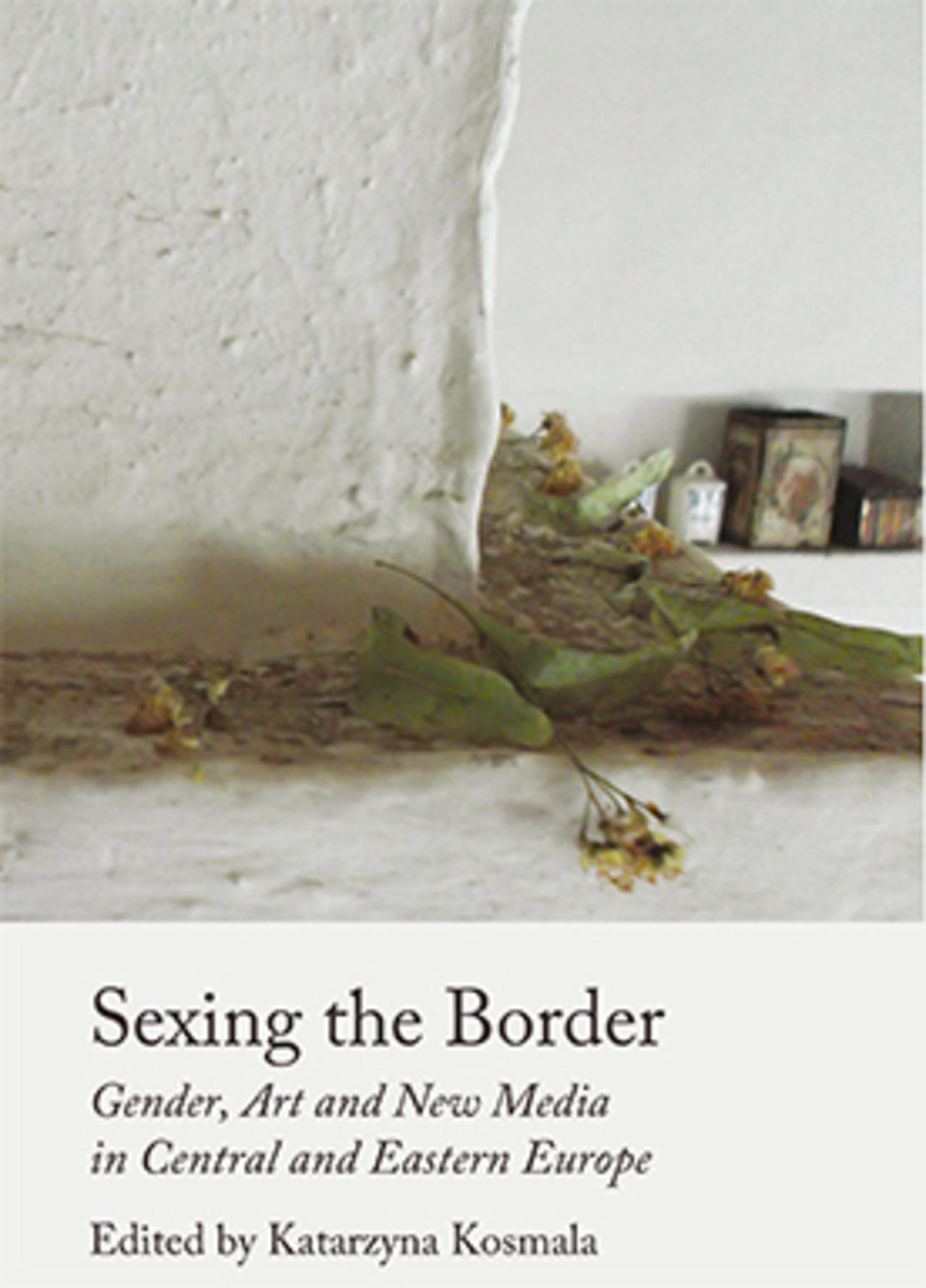
Sexing the Border: Gender, Art and New Media in Central and Eastern Europe
On 23 March 2015, BAK artistic director Maria Hlavajova engages in a conversation with Rael Artel and Katarzyna Kosmala, on the occassion of the publication of the latter’s new edited collection Sexing the Border: Gender, Art and New Media in Central and Eastern Europe.
Panel Discussion
17 May 2014
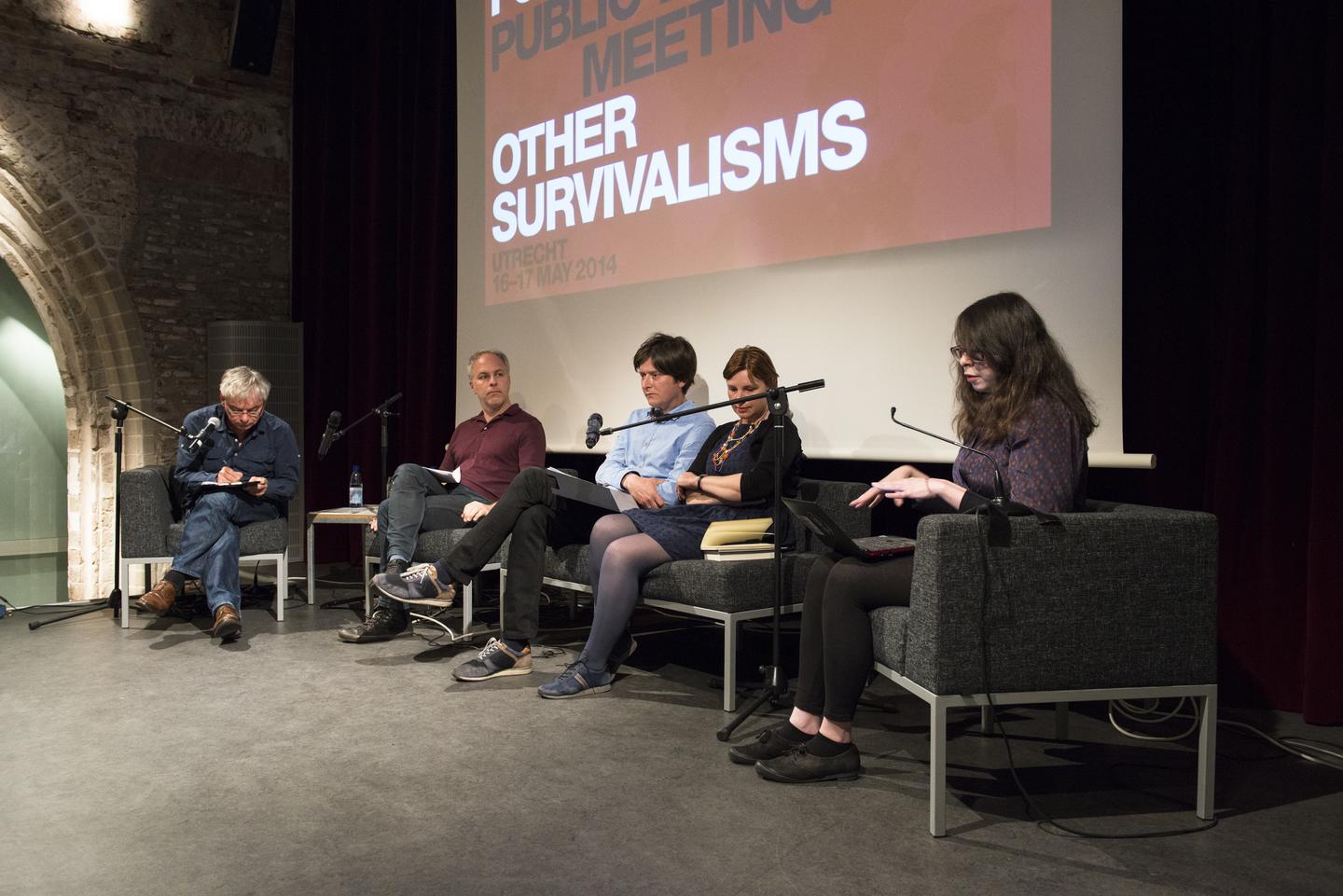
Survival Through an Economic and Environmental Lens
Session 2 of the public editorial meeting series Other Survivalisms.
Panel Discussion
21 June 2016
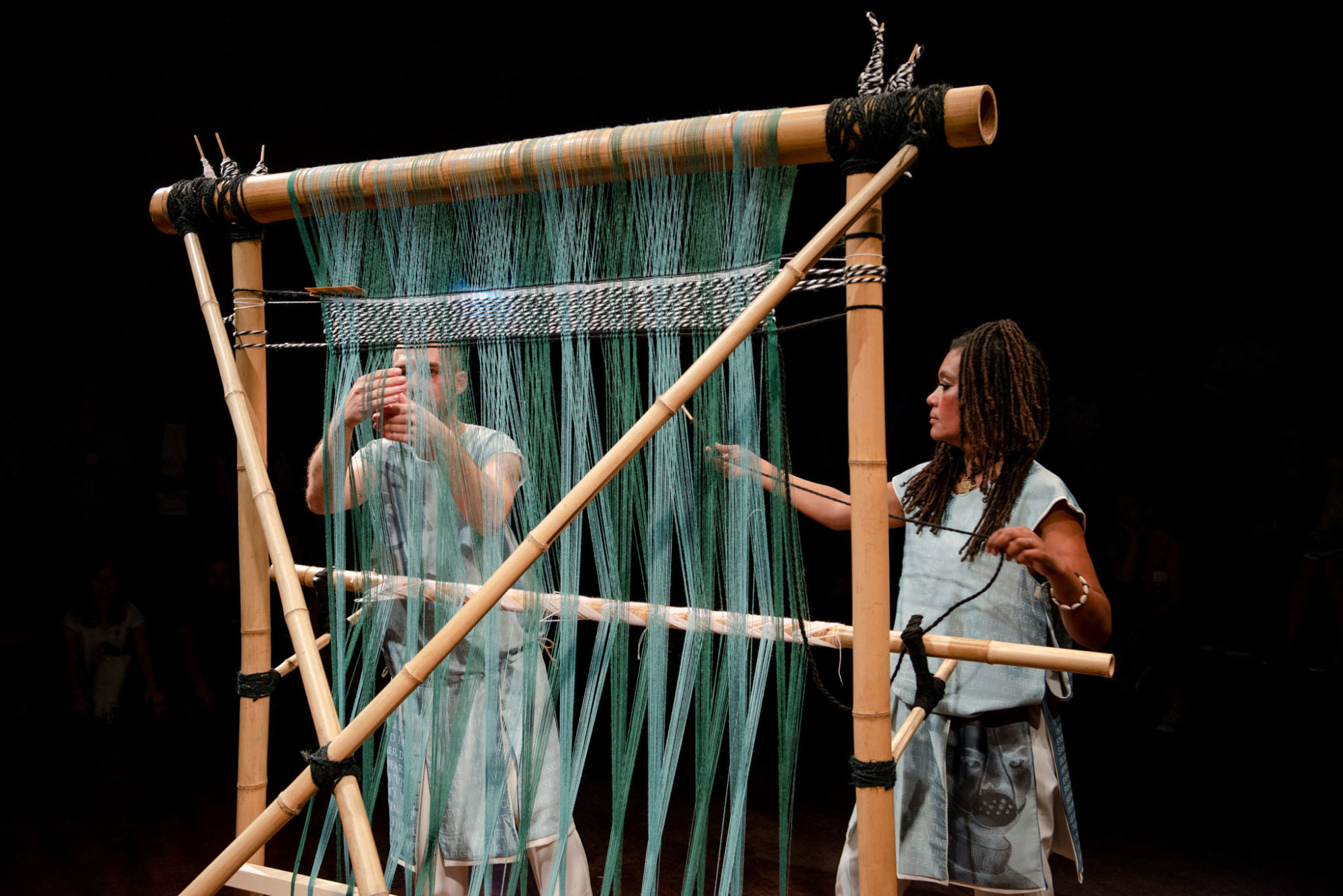
After Europe
On the opening night of Jonas Staal’s exhibition After Europe, Maria Hlavajova, artistic director of BAK, will join a panel discussion with Quim Arrufat, Angela Dimitrakaki, and Despina Koutsoumpa.