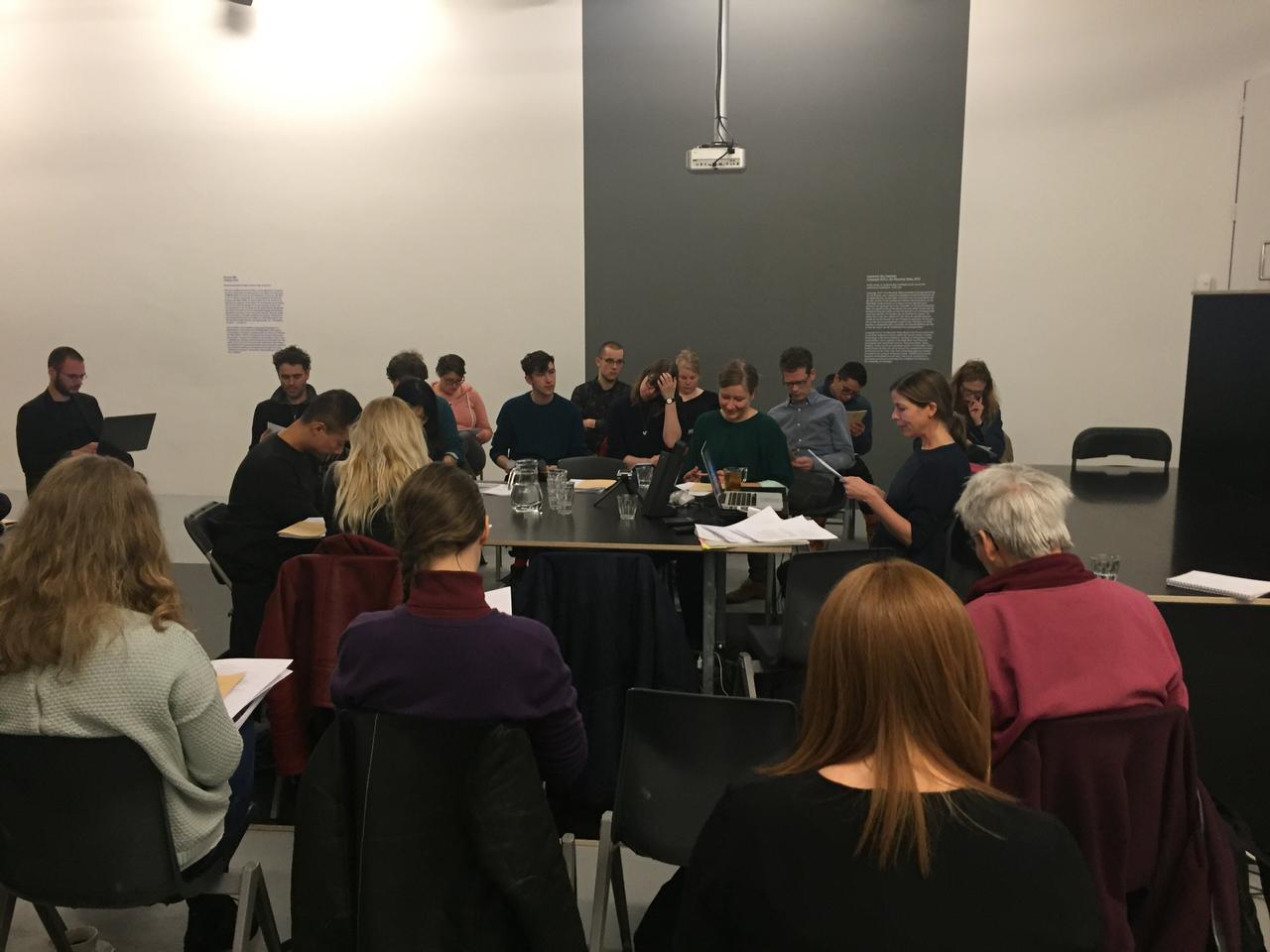
09 september–08 december 2023-Ongoing
UPS
Kalender
Nu & Aankomend
Crowdfunding Campaign
Tentoonstelling
22 september–08 december 2023-Ongoing
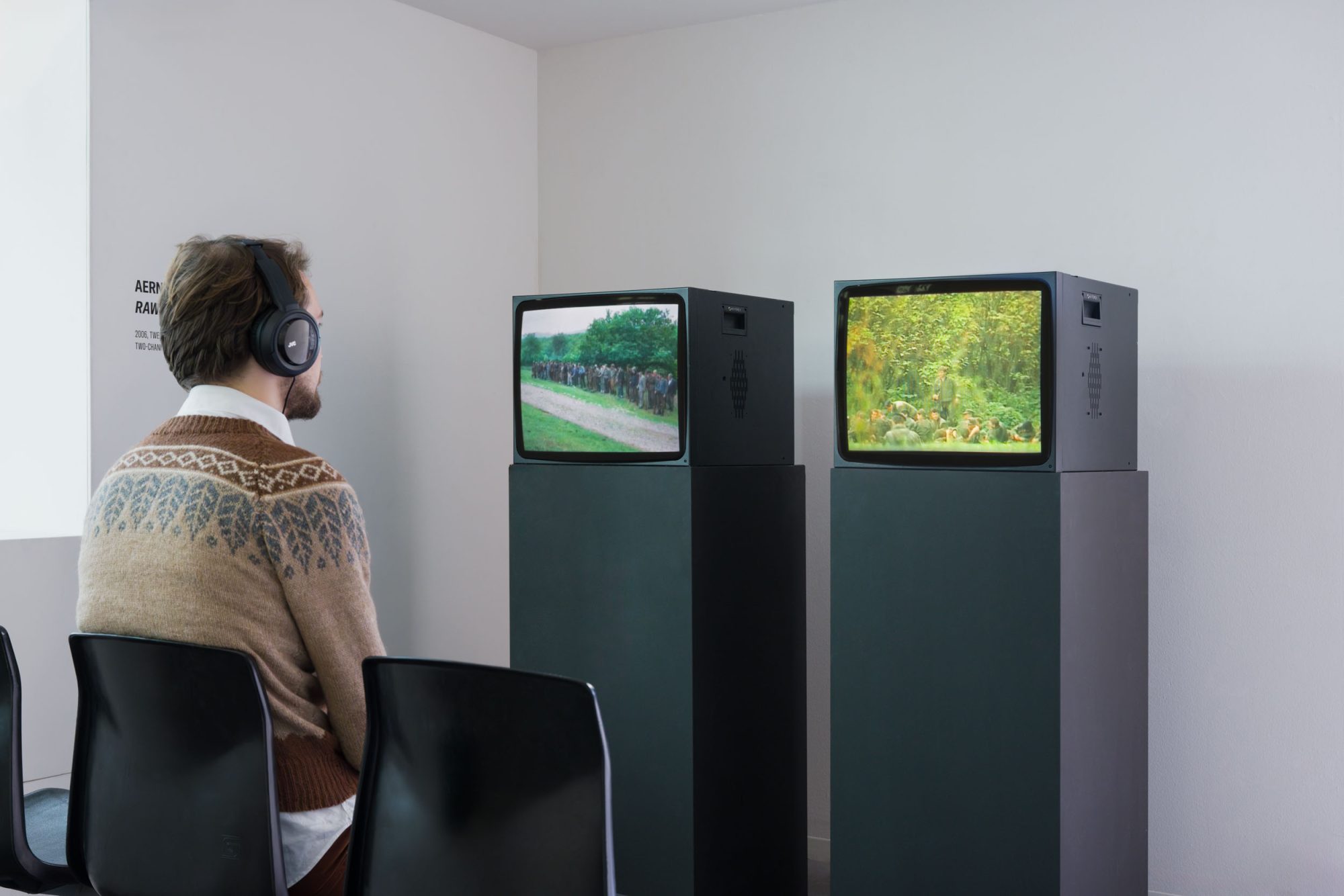
suggesties uit het archief
Educatieprogramma
24-28 augustus 2015
Human-Inhuman-Posthuman Summer School
Summer school met het Centre for the Humanities, opgezet en geleid door Prof. Rosi Braidotti en Maria Hlavajova.
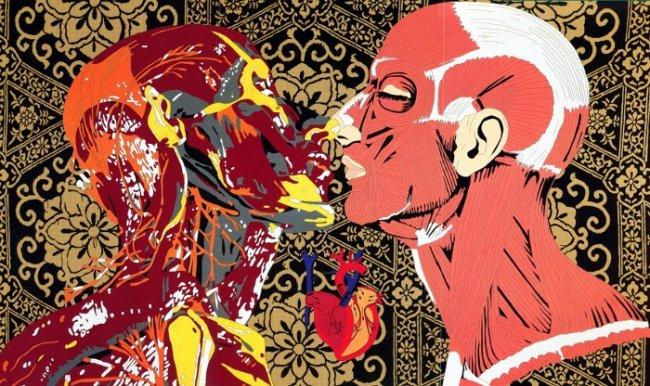
Filmvertoning
9 januari 2011
Filmprogramma samengesteld door Olga Chernysheva
De Russische kunstenaar Olga Chernysheva presenteert een 90 minuten durend programma met een selectie van haar eigen videowerken en ander recent en historisch filmmateriaal.
18 april 2019, 19.00-21.00
Speciale openstelling: Zeven adressen (2019)
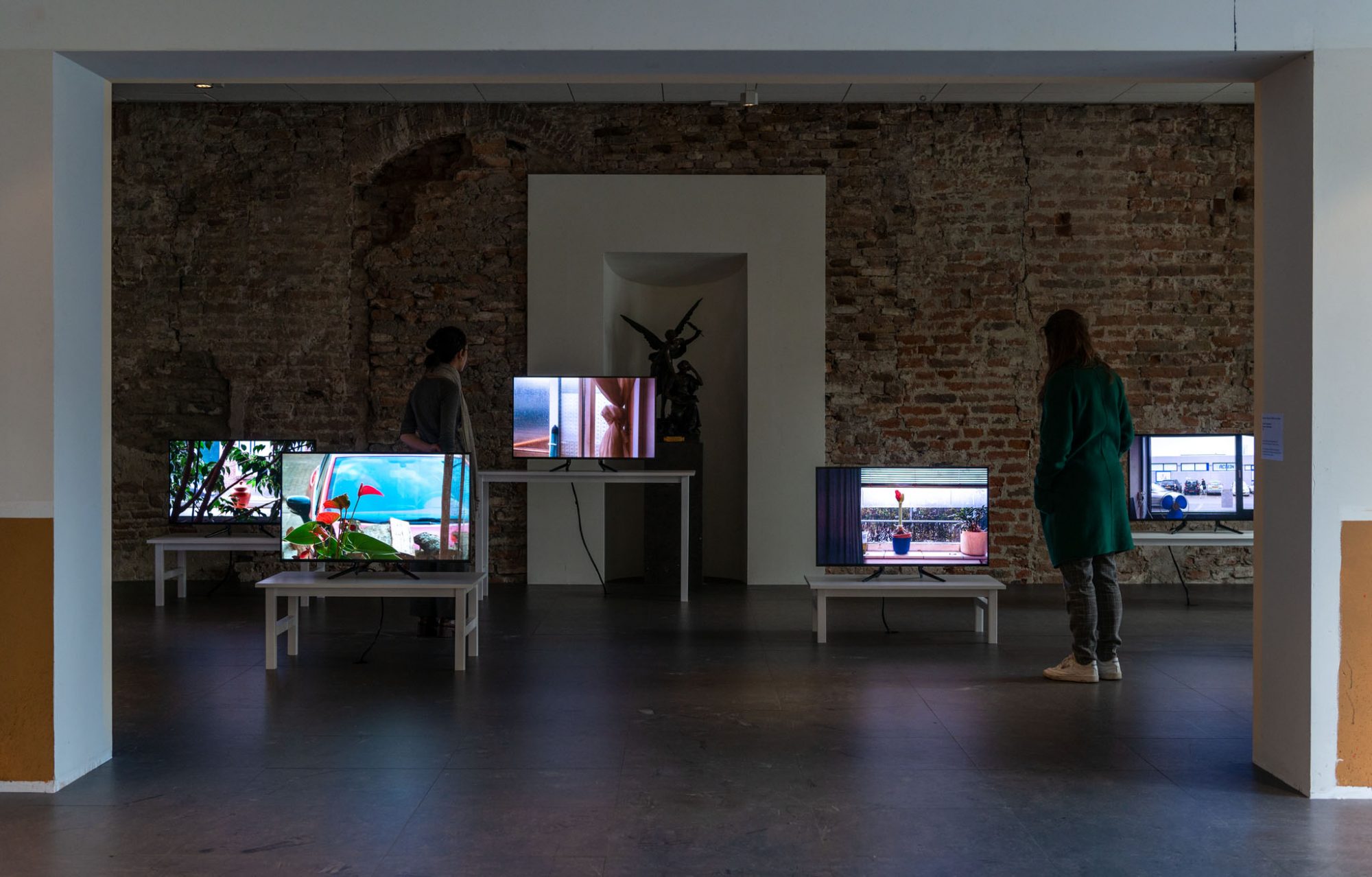
Op 18 april 2019 om 19.00 uur is er bij Het Utrechts Archief een speciale openstelling van het werk Zeven adressen (2019) van kunstenaarsduo Sander Breure & Witte van Hulzen. De kunstenaars zijn deze avond aanwezig bij de tentoonstelling. Het werk is onderdeel van de tweedelige tentoonstelling The People Are the City, georganiseerd door BAK, basis voor actuele kunst in het Stadskantoor Utrecht (te zien t/m 2 mei 2019) en Het Utrechts Archief (te zien t/m 5 mei 2019).
Leesgroep
16 maart 2016, 17.00
Reading Anarchism: Maria Barnas reads Mustapha Khayati & Jonas Staal reads Murray Bookchin and Abdullah Öcalan
Derde leesgroep met Nicoline van Harskamp en genodigde lezers Maria Barnas en Jonas Staal.